
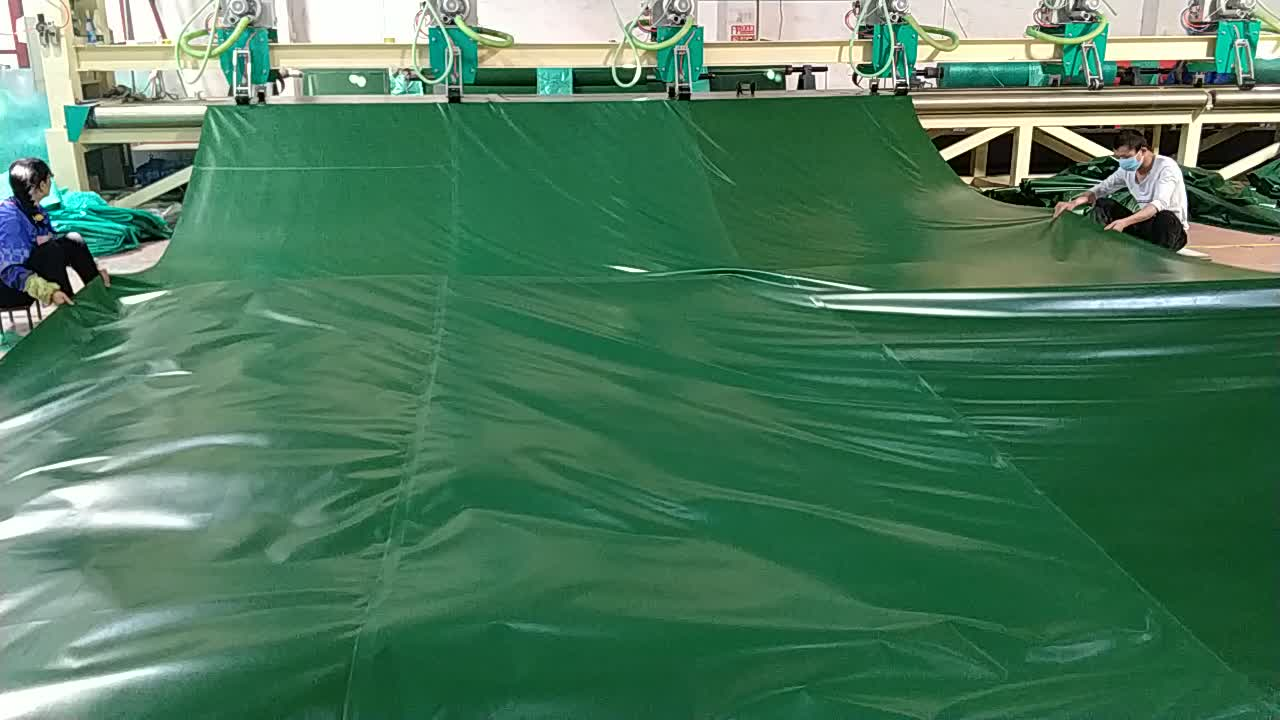
Industrial sites operate in some of the toughest environments, where machinery, equipment, raw materials, and valuable assets are constantly exposed to harsh weather, dust, moisture, chemicals, and heavy usage. Whether it’s a construction site, manufacturing facility, logistics hub, mining operation, or warehouse, protecting expensive equipment is essential to minimise downtime, reduce maintenance costs, and extend asset life.
When it comes to industrial protection, two of the most commonly used solutions are traditional tarpaulin vs PVC equipment cover. While both serve the purpose of shielding equipment from environmental damage, they differ significantly in terms of durability, performance, customisation, and long-term value.
Understanding these differences can help businesses choose the right protective solution for their operational needs. This guide compares tarpaulins and PVC equipment covers to help industrial site managers make an informed decision.
Why Equipment Protection Matters in Industrial Environments
Industrial equipment represents a significant investment. Exposure to rain, UV radiation, dust, chemicals, and fluctuating temperatures can lead to premature wear, corrosion, electrical failures, and reduced operational efficiency.
Proper equipment covers help:
- Protect machinery from weather damage
- Reduce maintenance and repair costs
- Prevent rust and corrosion
- Minimize dust accumulation
- Extend equipment lifespan
- Improve workplace safety
- Reduce operational downtime
- Maintain compliance with site safety standards
Selecting the right protective cover ensures reliable performance while reducing long-term operating expenses.
Traditional Tarpaulins
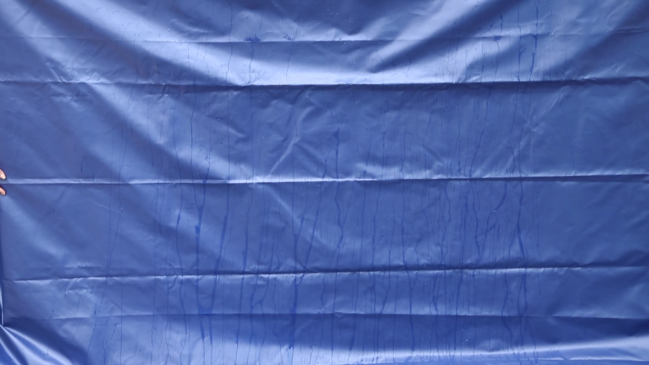
Tarpaulins are flexible protective sheets made from materials such as polyethylene (PE), canvas, or lightweight PVC-coated fabrics. They are widely used because of their affordability, versatility, and ease of installation.
Common industrial applications include:
- Covering construction materials
- Temporary machinery protection
- Vehicle covers
- Warehouse storage
- Emergency weather protection
- Transport covers
- Outdoor inventory protection
Tarpaulins are available in a wide range of sizes, colours, and thicknesses, making them suitable for temporary and general-purpose use.
PVC Equipment Covers
PVC equipment covers are purpose-built protective covers manufactured using heavy-duty polyvinyl chloride (PVC) fabric. Unlike standard tarpaulins, these covers are often custom-designed to fit specific machines, generators, pumps, compressors, electrical panels, and industrial equipment.
PVC equipment covers offer:
- Precision fit
- Complete weather protection
- Reinforced construction
- Industrial-grade durability
- Long service life
- Enhanced UV resistance
- High tear strength
They are commonly used in industries where equipment protection is critical for operational continuity.
Material Comparison
Standard Tarpaulin
Most tarpaulins are manufactured using:
- Polyethylene (PE)
- Canvas
- Lightweight PVC-coated fabric
These materials provide basic protection against rain and sunlight but may not withstand prolonged industrial use.
Advantages include:
- Lightweight
- Affordable
- Easy to transport
- Quick installation
- Available in standard sizes
PVC Equipment Covers
PVC equipment covers use reinforced industrial-grade PVC fabric designed for demanding environments.
Key features include:
- Thick multi-layer construction
- Waterproof coating
- UV stabilisation
- Chemical resistance
- Fire-retardant options
- Reinforced seams
- Heavy-duty fastening systems
These properties make PVC covers suitable for continuous outdoor exposure.
Durability Comparison
Durability is often the deciding factor for industrial applications.
Tarpaulin
Standard tarpaulins perform well for temporary protection but may deteriorate over time due to:
- Constant UV exposure
- Strong winds
- Heavy rain
- Abrasion
- Frequent handling
Lower-quality tarps may crack, tear, or become brittle after extended outdoor use.
PVC Equipment Covers
PVC covers are engineered for long-term industrial performance.
They offer superior resistance against:
- Extreme temperatures
- Heavy rainfall
- Wind damage
- Industrial chemicals
- Oil and grease
- Abrasion
- UV radiation
Their longer lifespan often offsets the higher initial investment.
Waterproof Performance
Water protection is essential for preventing corrosion and electrical damage.
Tarpaulin
Most quality tarpaulins provide effective waterproofing for short-term applications.
However:
- Stitched seams may leak
- Water pooling can weaken the material
- Frequent folding may damage coatings
PVC Equipment Covers
PVC covers provide superior waterproof protection because they feature:
- Heat-welded seams
- Heavy-duty waterproof fabric
- Precision fit around equipment
- Better drainage design
This significantly reduces the risk of moisture penetration.
Dust Protection
Industrial sites frequently experience airborne dust that affects equipment performance.
Tarpaulin
Loose-fitting tarps often allow dust to enter around open edges, particularly during windy conditions.
PVC Equipment Covers
Custom-designed PVC covers fit tightly around machinery, reducing dust infiltration and protecting sensitive components.
This makes them ideal for:
- Manufacturing plants
- Cement facilities
- Mining operations
- Desert construction sites
- Warehouses
UV Resistance
Industrial equipment often remains outdoors throughout the year.
Tarpaulin
Basic tarps may fade, weaken, or crack after prolonged sun exposure. UV-treated tarps perform better but still require periodic replacement.
PVC Equipment Covers
Industrial PVC fabrics are specifically formulated for continuous UV exposure.
Benefits include:
- Colour retention
- Flexible material
- Crack resistance
- Longer outdoor lifespan
This makes PVC covers especially suitable for regions with intense sunlight, such as the Middle East.
Customisation Options
One major advantage of PVC equipment covers is custom manufacturing.
Custom covers may include:
- Machine-specific dimensions
- Access zippers
- Inspection windows
- Ventilation panels
- Logo branding
- Velcro closures
- Cable openings
- Reinforced lifting points
Traditional tarpaulins are generally supplied in standard rectangular shapes, requiring ropes or straps for installation.
Installation and Ease of Use
Tarpaulin
Installation is straightforward but often requires:
- Rope
- Bungee cords
- Ratchet straps
- Hooks
Because tarps are generic in shape, achieving a secure fit may take additional time.
PVC Equipment Covers
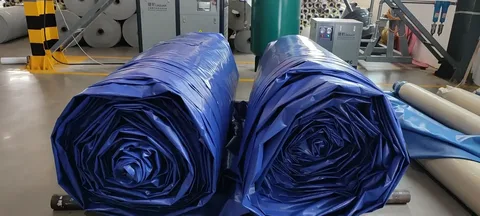
Custom PVC covers are designed for quick installation using integrated fastening systems.
Many include:
- Buckles
- Zippers
- Elastic hems
- Hook-and-loop closures
- Adjustable straps
These features improve usability while ensuring consistent protection.
Maintenance Requirements
Proper maintenance extends the lifespan of any protective cover.
Tarpaulin
Routine maintenance includes:
- Cleaning dirt and debris
- Inspecting for tears
- Replacing damaged eyelets
- Repairing punctures
Frequent replacement may be necessary in demanding industrial environments.
PVC Equipment Covers
PVC covers require minimal maintenance.
Cleaning usually involves:
- Mild soap
- Water
- Soft brush
Their resistance to mould, mildew, and chemicals reduces ongoing maintenance requirements.
Cost Comparison
Price is often an important consideration.
Tarpaulin
Advantages include:
- Lower upfront cost
- Widely available
- Suitable for temporary use
- Good for emergency protection
However, repeated replacements can increase long-term costs.
PVC Equipment Covers
Although the initial investment is higher, PVC covers often provide greater long-term value through:
- Longer lifespan
- Reduced equipment maintenance
- Lower replacement frequency
- Better asset protection
- Improved operational reliability
For businesses protecting high-value machinery, the return on investment is typically favourable.
Best Applications for Tarpaulins
Traditional tarpaulins are ideal for:
- Temporary storage
- Construction materials
- Outdoor inventory
- Emergency weather protection
- Vehicle covers
- Landscaping equipment
- Short-term site projects
Their versatility makes them a practical solution for general-purpose protection.
Best Applications for PVC Equipment Covers
PVC equipment covers are better suited for:
- Industrial generators
- Pumps
- Compressors
- Electrical control panels
- Manufacturing equipment
- Marine machinery
- Oil and gas equipment
- Mining machinery
- Agricultural equipment
- Permanent outdoor installations
These applications demand long-lasting, high-performance protection.
How to Choose the Right Option
When deciding between a tarpaulin and a PVC equipment cover, consider the following factors:
- Type of equipment
- Exposure to weather
- UV intensity
- Dust levels
- Frequency of use
- Required lifespan
- Budget
- Need for customisation
If the equipment is expensive, permanently installed, or exposed year-round, investing in a custom PVC equipment cover is often the more cost-effective solution over time.
For temporary or occasional protection, a quality heavy-duty tarpaulin remains a reliable and economical choice.
Final Thoughts Tarpaulin vs PVC Equipment Cover
Choosing between a traditional tarpaulin vs PVC equipment cover depends on your site’s operational requirements, environmental conditions, and long-term maintenance goals. While tarpaulins offer affordability, flexibility, and convenience for short-term applications, PVC equipment covers deliver superior durability, weather resistance, and custom-fit protection for valuable industrial assets.
Industrial sites operating in demanding conditions—particularly those exposed to heavy rain, dust, UV radiation, and chemicals—benefit greatly from the enhanced performance of PVC equipment covers. Their longer lifespan, reduced maintenance needs, and improved equipment protection often justify the higher initial investment.
Ultimately, selecting the right cover is an investment in equipment reliability, workplace efficiency, and operational continuity. By matching the protective solution to your site’s specific needs, businesses can reduce downtime, extend machinery life, and safeguard valuable assets for years to come.